Pool Equipment Checked Before Problems Compound
Equipment Inspection in Independence for pumps, filters, and plumbing showing wear, leaks, or seasonal startup concerns
Visible rust around a union fitting, a pump that hums differently than it did at the start of last season, a filter pressure gauge that no longer returns to its baseline—these are the kinds of details that get overlooked when each piece of equipment is considered individually rather than as part of a connected system. JUS'POOLIN provides equipment inspections for pool owners in Independence who want a systematic review of major pool components before committing to repair or replacement decisions, or before opening the pool for a new season.
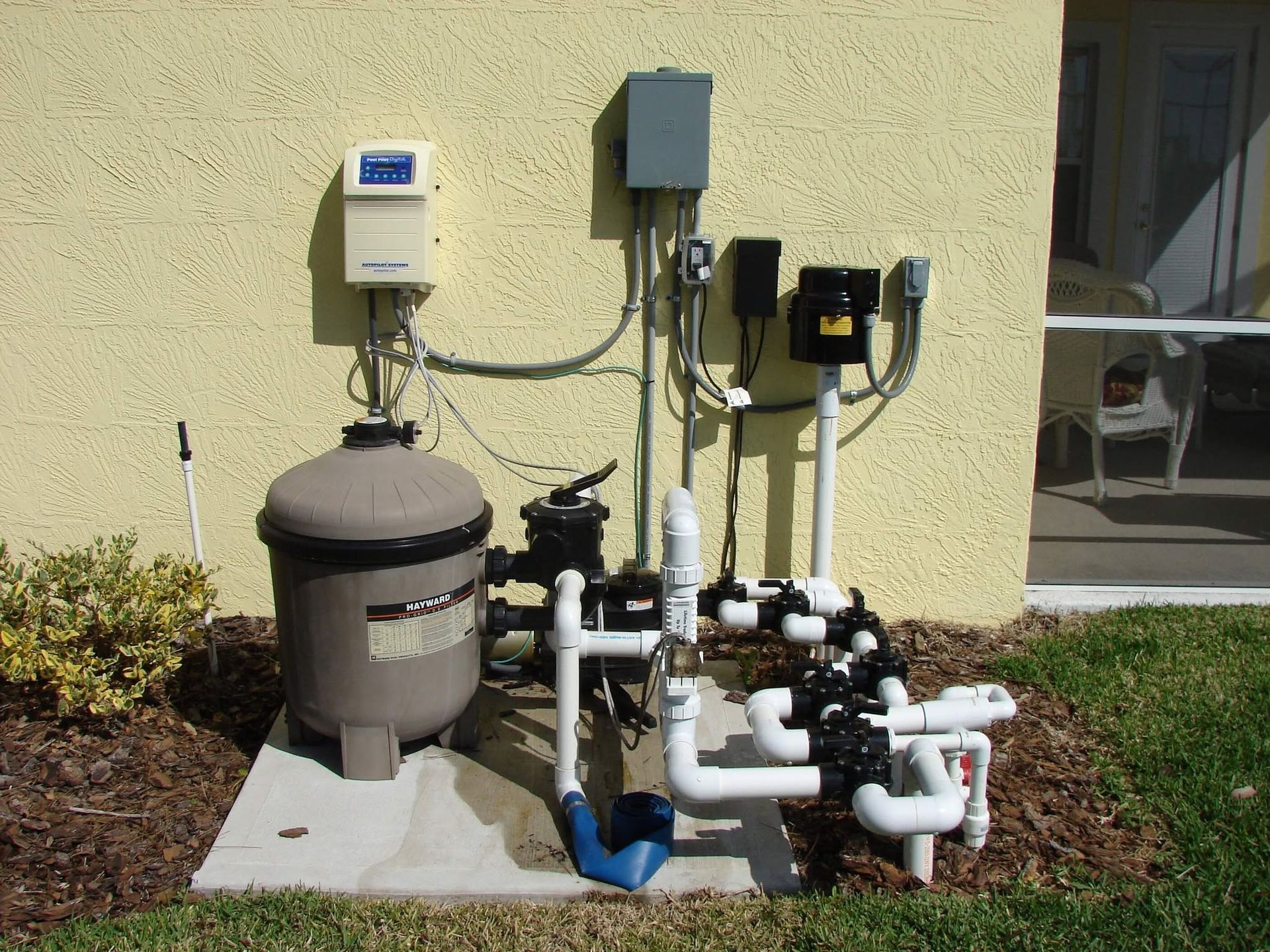
An equipment inspection covers the pump, filter housing and components, accessible suction and return plumbing, and associated hardware at the equipment pad. Each component is evaluated for visible wear, leaks, operating sounds, and signs that performance has degraded from its normal baseline. The inspection itself doesn't determine a repair path in advance—it identifies what's present so that the decision between repair and replacement is based on actual component condition rather than symptom-driven guesswork. That distinction matters when some repairs are straightforward and others are indicators that a unit is approaching the end of its serviceable life.
Set up an equipment inspection to get a clear account of what your pool system's major components currently show..
The Difference Between Inspecting and Assuming
A systematic inspection follows a defined sequence rather than focusing only on the component most obviously presenting a problem. The pump motor is checked for abnormal heat and sound during operation; the shaft seal area is examined for water weeping that indicates seal failure; filter housing bolts and O-ring seats are inspected for deterioration that allows bypass; accessible plumbing unions and connections are checked for slow drips or corrosion that haven't yet become visible failures. This sequence matters because a pump that appears to operate normally can still show shaft seal wear that will develop into a significant leak within weeks under continued use.
After inspection, you receive a specific account of what each checked component showed—not a general assessment, but an itemized picture of what's functioning within normal range, what shows early wear, and what has already moved past the point where continued operation without service makes sense. JUS'POOLIN documents what the inspection finds so that any work that follows is chosen based on demonstrated need rather than assumed from symptoms alone.
Seasonal timing affects what an inspection is most useful for catching. A startup inspection before the pool opens for use in Independence can identify equipment that suffered damage during the off-season—freeze events in Louisiana are infrequent but do occur, and PVC fittings and filter housings can crack in ways that aren't apparent until the system is pressurized for the first time in spring. A mid-season inspection is more likely to reveal wear developing under the sustained load of continuous summer operation—bearing deterioration, impeller wear, and filter media breakdown that accumulates across months of daily pump cycles.
What Property Owners Usually Ask Before an Inspection
Equipment inspection questions often center on what the process involves and how it fits into broader pool care decisions. These are the questions that come up most often from Independence pool owners.
What does a pool equipment inspection include?
The inspection covers the pump motor and housing, filter system components, pressure and flow indicators, and accessible plumbing connections at the equipment pad—each evaluated for visible wear, leaks, and operating condition.
Why should I schedule an inspection rather than waiting for something to visibly fail?
Equipment failures rarely happen without prior indicators—bearing wear, seal weeping, and fitting deterioration all show observable signs before they become complete failures, and catching them at that stage typically involves less work than addressing a failure that has already progressed.
How does Louisiana's climate affect pool equipment wear patterns?
The combination of year-round UV exposure, high humidity, and an unusually long operating season accelerates deterioration of rubber seals, plastic housing components, and electrical insulation relative to equipment used in shorter-season climates—making annual inspection practical rather than precautionary.
When is the best time of year to schedule an equipment inspection in this area?
Before the pool opens for primary use in late spring is a natural checkpoint; scheduling again mid-season allows for catching wear that develops under sustained summer load, particularly on pump motors that run extended daily cycles during peak swimming months.
What information should I have ready before a technician arrives for an inspection?
Noting any sounds, leaks, pressure gauge readings, or circulation changes you've observed—along with how long the equipment has been in service—gives the technician useful context before the physical inspection begins.
JUS'POOLIN is available to walk through your equipment with a systematic inspection and give you a factual picture of what each component currently shows—call (985) 379-9834 to schedule a visit at your property.