
Debris Loads That Outlast a Single Cleaning
Pool Cleaning in Independence for surface debris accumulation, algae buildup, and conditions created by Louisiana's extended swimming season
Leaves settle on the surface overnight. Pollen films the water after a dry spring wind. A summer rainstorm drops organic material across the deck and into the pool in a single hour. In Independence, these conditions repeat across a pool season that stretches well beyond what most maintenance schedules are designed to handle, and the gap between cleanings compounds faster than it does in shorter-season climates. JUS'POOLIN provides routine pool cleaning services for homeowners dealing with debris accumulation, surface buildup, and maintenance demands that have outpaced their current cleaning routine.
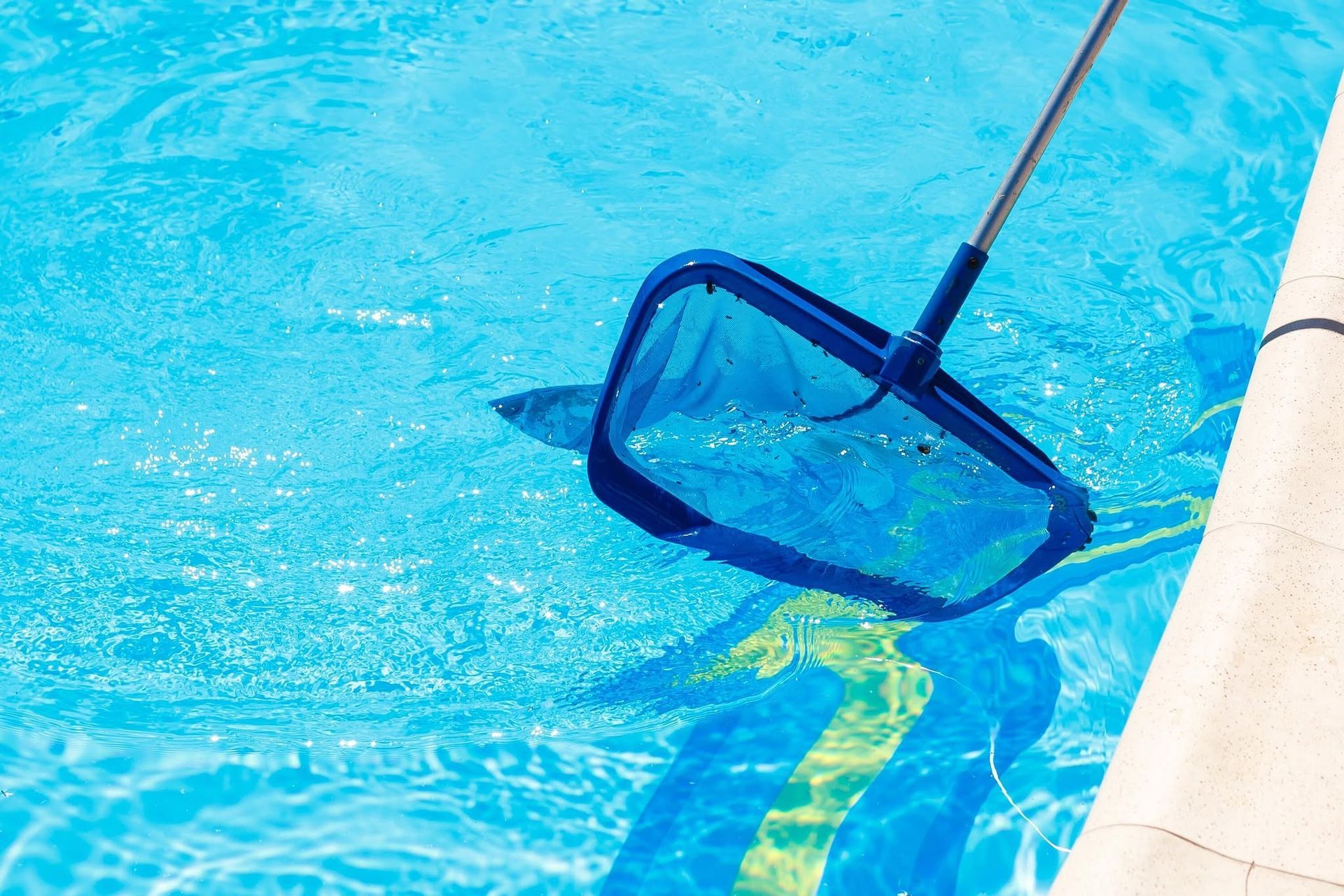
Pool cleaning involves physical removal of surface debris with a skimmer net, brushing pool walls and the floor to dislodge biofilm and algae before it adheres firmly, and vacuuming settled material from the bottom. Each of those steps addresses a different stage of the debris cycle—skimming catches what's floating before it sinks and decomposes, brushing disrupts growth that chemistry alone won't dislodge from rough surfaces, and vacuuming removes what's already settled before it adds to the organic load that drives chemical demand upward. The order matters because skipping brushing before vacuuming simply redistributes loosened material rather than removing it.
Set up a cleaning appointment before surface buildup progresses to a point where a single visit can't fully restore water appearance..
What You Notice Once Cleaning Is Finished
A completed cleaning session addresses both what's visible on the surface and what's settled at the bottom, which is why the work involves more than skimming the waterline. Brushing pool walls with an appropriate bristle type for the surface material—plaster, vinyl, or fiberglass—removes early-stage algae growth and biofilm before it matures into a visible green or black patch that requires significantly more intervention to clear. Leaving that step out of a cleaning routine is the most common reason pools develop recurring algae problems despite regular chemical treatment.
After a thorough cleaning, the waterline tile is free of grease and organic residue, the floor is visibly clear rather than covered with a layer of fine sediment, and return water moves without the green or gray tint that suspended debris creates. JUS'POOLIN approaches cleaning as maintenance that protects the pool's surfaces and equipment over time—not a cosmetic service that addresses only what's immediately visible from the deck.
Louisiana rain events introduce phosphates and organic material that accelerate algae growth even in pools that are otherwise chemically balanced, which means the interval between effective cleanings is shorter here than manufacturers of automatic cleaning systems typically assume. Pools with heavy tree cover, exposed to neighboring lots with oak or sweet gum trees, tend to require more frequent attention than pools in open settings—and that difference in debris load should factor into how often cleaning is scheduled.
Answers to Frequent Pool Cleaning Questions
Homeowners in Independence frequently ask about what a cleaning visit covers and how often cleaning should happen given local conditions. The questions below reflect what comes up most consistently.
What does a routine pool cleaning actually include?
A standard cleaning covers surface skimming, wall and floor brushing, and vacuuming of settled debris—each step targets a different stage of the debris and buildup cycle rather than addressing only what's visible from the surface.
How does Louisiana's climate affect how often a pool needs cleaning?
The combination of heat, humidity, frequent rain, and a long growing season creates a sustained organic load from pollen, leaves, and storm runoff that increases the frequency at which cleaning is needed to stay ahead of buildup and algae development.
Why does algae return even when the pool is treated with chemicals?
Algae that has adhered to rough plaster or grout lines is physically protected from chemical contact until it's mechanically dislodged through brushing—chemical treatment is more effective after brushing loosens that surface layer.
When is the right time to schedule cleaning rather than waiting for visible problems?
Scheduling before heavy pollen season begins and after any significant storm event prevents the organic material those events deposit from breaking down in the water and driving up chemical demand.
How can I tell if debris at the bottom of the pool is affecting water quality?
Fine sediment that remains on the pool floor breaks down over time, consuming chlorine and raising phosphate levels—if the floor appears hazy or dusted rather than clearly visible, that material is actively affecting water chemistry.
JUS'POOLIN is available to handle cleaning on a schedule that matches your pool's actual debris load—call (985) 379-9834 to discuss what cleaning frequency makes sense for your specific setup and surroundings.